- Seja bem-vindo à nova Área do Cliente IBBCA!
- (21) 3613-2429
- (17) 3222-3582
- faleconosco@ibbca.com.br

Mastering the art of bluffing in poker tournaments
Beste Casino på Nett: Hvordan dra nytte av velkomstbonuser i 2026
31/08/2026How luck influences your casino experience
31/08/2026
Understanding Bluffing in Poker
Bluffing is an essential aspect of poker that sets apart seasoned players from beginners. Fundamentally, bluffing is about misleading opponents regarding the strength of your hand, often leading them to fold even when they might have a chance to win. Successful bluffing requires a nuanced understanding of various factors, including timing, the context of the game, and your opponents’ tendencies, which are similar to the strategies employed by those who frequent instant withdrawal casinos for quick payouts. Misjudging these elements can lead to disastrous outcomes, turning what could have been a winning hand into a costly mistake.
In the early stages of a tournament, players tend to approach the game with caution, making it an opportune time for well-timed bluffs. For example, if you sense hesitation from your opponents, a strategic bet can induce them to fold their hands. Conversely, as the tournament progresses into its later stages, players become more desperate, and pots grow larger, making them less likely to let go of their holdings. Understanding these dynamics allows a player to adjust their bluffing strategy accordingly, enhancing the chances of success.
A critical aspect of bluffing is the necessity of a consistent narrative throughout the hand. Competent players create a story that aligns with their actions, whether they are betting aggressively or playing passively. For instance, if you’ve been playing conservatively and suddenly make an unexpected large bet, opponents may perceive it as a strong hand, compelling them to reassess their cards. This alignment of behavior and narrative is vital; if your actions appear inconsistent, observant players are likely to become suspicious, rendering your bluff ineffective.
The Psychology of Bluffing
Bluffing transcends mere card play; it is fundamentally a psychological battle. Gaining insight into the mindset of your opponents can provide a substantial advantage in tournaments. Some players may exhibit physical tells—like fidgeting or sudden stillness—that indicate whether they are confident or worried about their hands. By observing these behaviors, you can make informed decisions about when to bluff, heightening your strategic gameplay and increasing your odds of success.
Another crucial psychological factor is the emotional state of both yourself and your opponents. Players who become emotionally invested in a hand often make irrational choices, which might work to your advantage or disadvantage. If you detect that an opponent is frustrated or overly confident, it could be the perfect moment to execute a bluff. However, it is imperative to maintain awareness of your own emotions; stress or excitement can lead to impulsive decisions that may undermine your bluffing strategy.

Moreover, the element of surprise is vital in bluffing. Cultivating an unpredictable style of play keeps your opponents guessing, making it more challenging for them to read your intentions. If you consistently bluff during moments when they expect you to play conservatively, they are more likely to fold when you genuinely have a strong hand. A varied approach ensures that opponents cannot easily decipher your strategies, increasing the effectiveness of your bluffing attempts.
Strategies for Effective Bluffing
To refine your bluffing skills, developing effective strategies is crucial. One key approach involves selecting the right occasions to bluff. Ideally, these moments arise when you perceive weakness from your opponents. For example, if a player checks or appears uncertain, it may signal an opportunity to place a well-timed bet. Adopting a tight-aggressive style can also support successful bluffing, as opponents who view you as a strong player are less likely to contest your aggressive bets unless they hold genuinely powerful hands.
Another valuable strategy is to diversify your bluffing techniques. Mixing semi-bluffing with pure bluffing can keep opponents off balance. Semi-bluffing involves betting or raising with a hand that is currently weak but has the potential to improve. This approach allows you to represent strength while still having a chance to win if the cards favor you. Creating this dual-layer strategy can make your overall gameplay less predictable.
Positional awareness is another critical element in enhancing your bluffing strategy. Being seated in a late position grants you greater insight into your opponents’ actions, enabling you to make more informed decisions about when to bluff. For example, if aggressive players are seated in early positions, they may be less inclined to call your bets, giving you the upper hand. Mastering the nuances of position and leveraging it effectively can significantly improve your bluffing success in tournaments.
Analyzing Opponents’ Reactions
To truly master bluffing, analyzing your opponents’ reactions is essential. Their betting patterns, body language, and emotional signals throughout the game can provide invaluable insights. For instance, a player who suddenly becomes overly animated may feel confident about their hand, while a more subdued player might be concealing weakness. Being able to read these cues enables you to make more informed decisions about when to bluff and when to play conservatively.
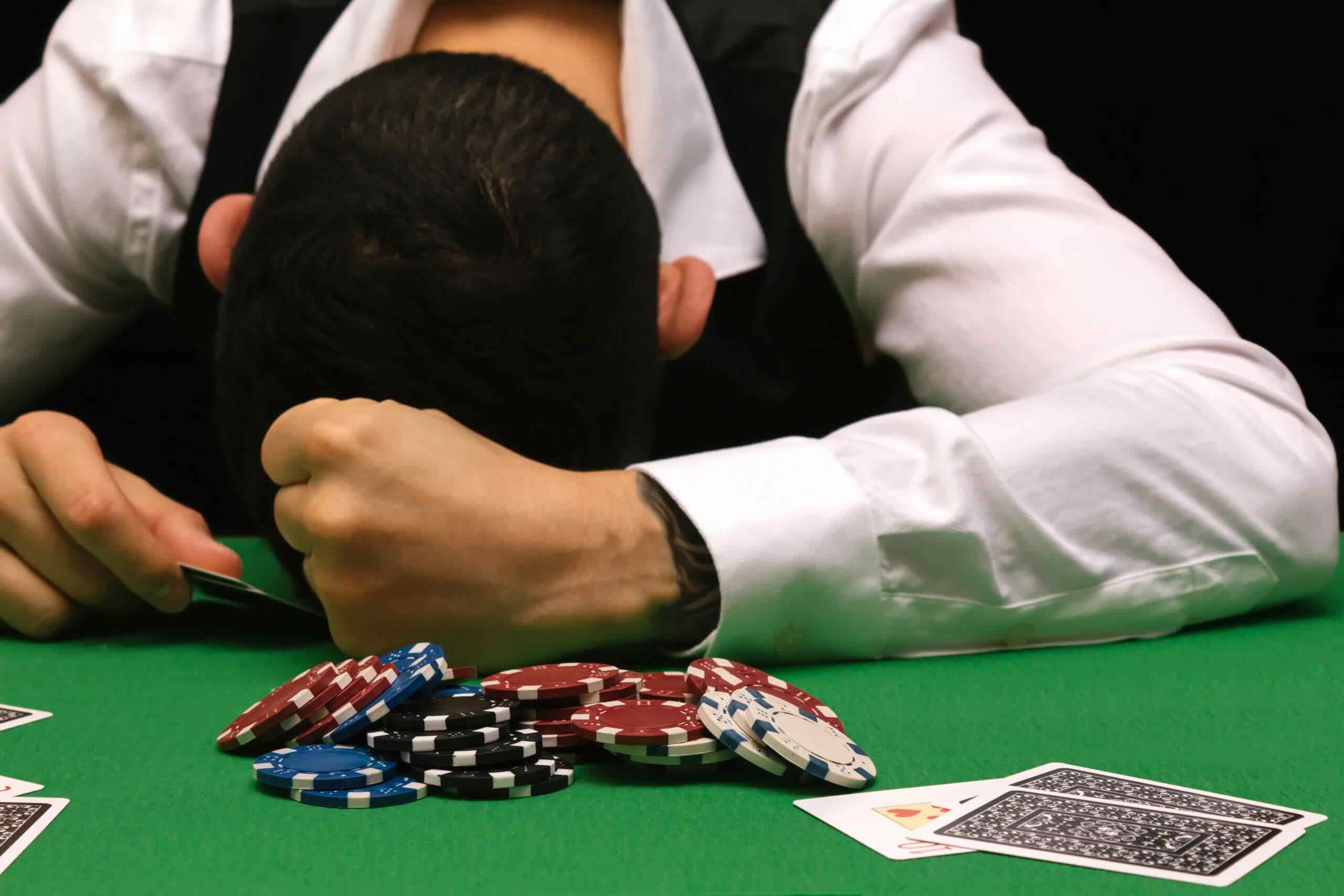
Furthermore, understanding the psychology behind your opponents’ reactions can enhance your ability to persuade them to fold. Many players rely on their past experiences to dictate their actions. If they’ve previously encountered significant losses due to bluffs, they may adopt a more cautious approach when faced with aggressive betting. Recognizing these tendencies allows you to exploit their fears, applying pressure to force a fold even if your hand isn’t particularly strong.
Maintaining awareness of the overall game flow is also critical. The dynamics of a poker tournament can shift rapidly due to chip stacks, player eliminations, and changes in table image. Adjusting your bluffing tactics based on the evolving landscape can lead to greater success. Flexibility and adaptability in your strategies ensure that you can effectively respond to the changing behaviors of your opponents, keeping you one step ahead in the game.
Conclusion and Resources
Mastering the art of bluffing in poker tournaments requires a delicate interplay of strategy, psychology, and keen observation. By understanding the intricacies of bluffing, players can craft compelling narratives, learn to read their opponents effectively, and adapt their strategies based on game dynamics. Continuous practice, along with a critical self-reflection of one’s actions during a tournament, fosters improvement and builds confidence in bluffing techniques.
For those seeking to deepen their understanding of bluffing and overall poker strategy, a wealth of resources is available. Engaging with poker communities, participating in online forums, and studying the styles of seasoned professionals can provide valuable insights and techniques. Immersing oneself in the world of poker not only refines skills but also cultivates a greater appreciation for the art of bluffing, ultimately leading to enhanced performance at the tables.
In addition, various websites and platforms provide specialized training programs and tutorials that can help players enhance their bluffing tactics. These resources often include video demonstrations, expert commentary, and interactive simulations that allow players to practice bluffing in a controlled environment. Utilizing these tools can significantly elevate your game, ensuring that you are well-equipped to navigate the complexities of poker tournaments and emerge victorious.

